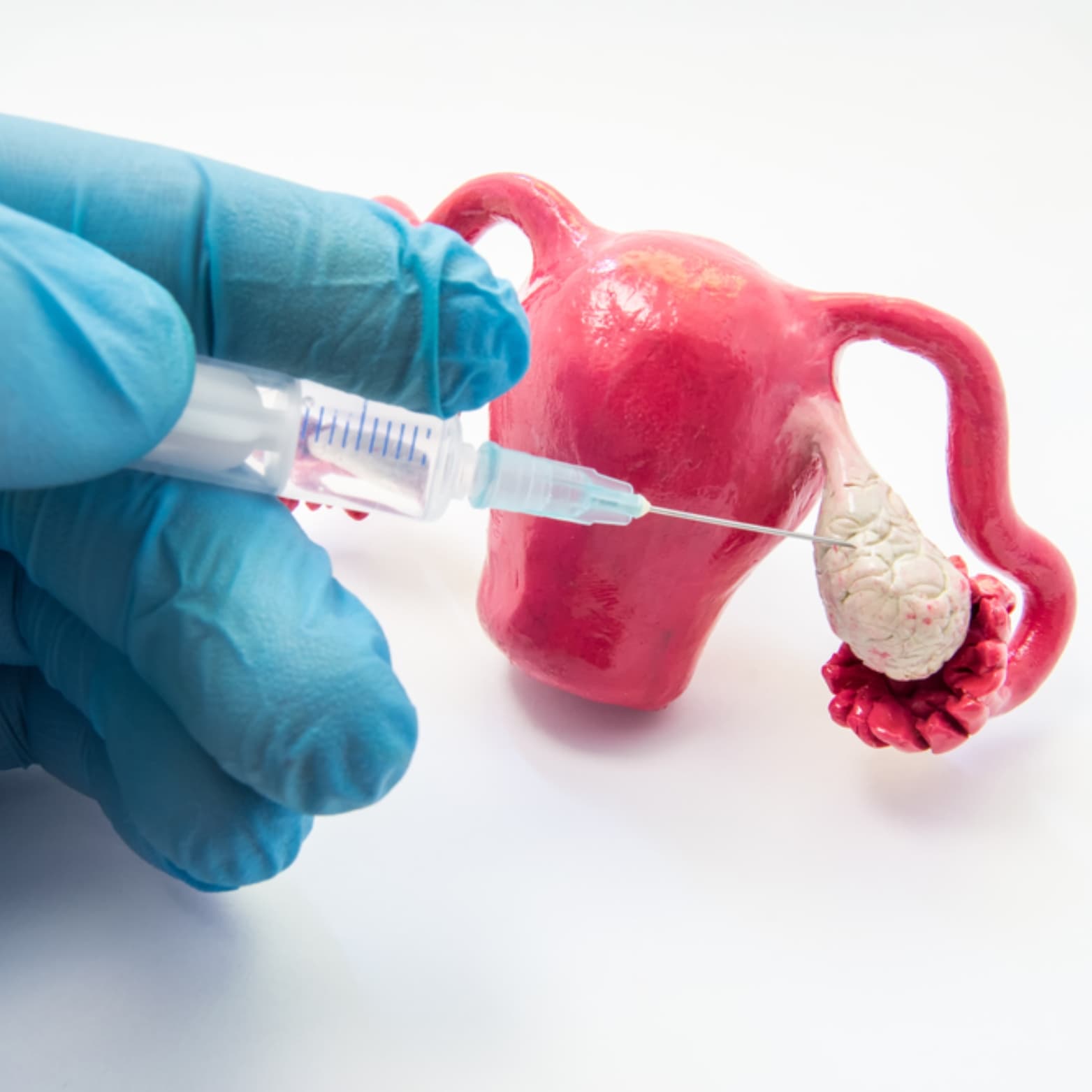
IVF Treatment
What is IVF Treatment?
In vitro fertilization (IVF) is a type of assisted reproductive technology (ART) used to help individuals and couples conceive a child. It involves retrieving mature eggs from a woman's ovaries and fertilizing them with sperm in a laboratory setting. The resulting embryos are then transferred to the uterus with the goal of achieving a successful pregnancy. IVF is commonly used to treat infertility caused by factors such as blocked fallopian tubes, ovulation disorders, low sperm count, or unexplained infertility. It can also be an option for same-sex couples or individuals using donor eggs or sperm.
Indications
IVF is commonly recommended for the following conditions:
- Blocked or damaged fallopian tubes
- Ovulation disorders or diminished ovarian reserve
- Male factor infertility (low sperm count or motility)
- Unexplained infertility
- Endometriosis affecting fertility
- Same-sex couples or single parents using donor eggs or sperm
Who needs IVF treatment?
IVF may be recommended for individuals and couples who have been unable to conceive through other means. Candidacy is determined after a full fertility evaluation:
- Tubal factor infertility: Blocked or absent fallopian tubes preventing natural fertilization.
- Polycystic ovary syndrome (PCOS): A hormonal disorder causing irregular ovulation.
- Male factor infertility: Low sperm count, poor motility, or abnormal morphology.
- Premature ovarian insufficiency: Early decline in ovarian function before age 40.
Other conditions that may require IVF Treatment include: Uterine fibroids affecting implantation, Genetic disorders requiring preimplantation genetic testing (PGT), Recurrent pregnancy loss, Unexplained infertility after 12 months of trying.
IVF success rates vary based on age, health conditions, and the specific fertility issues being addressed. A thorough evaluation determines the most suitable protocol.
Who can be an egg or sperm donor?
Egg donors are typically healthy women between 21 and 35 years of age with good ovarian reserve. Sperm donors must be healthy adults who pass genetic and infectious disease screening. Donor matching is based on physical characteristics and blood type.
Eligibility requirements
- Be in good reproductive and general health
- Have no history of hereditary genetic disorders (for donors)
- Have no history of sexually transmitted infections
- Have adequate ovarian reserve (for egg donors)
- Pass psychological evaluation
- Understand and consent to the donation or IVF process
Evaluation process
Both partners undergo fertility testing including hormonal blood tests, semen analysis, ultrasound imaging, and uterine assessment. Results guide the personalized IVF protocol and medication plan.
What are our services?
We are offering the following specialized services to all patients at renowned hospitals in India and Türkiye. Our organization is proudly partnered with multiple accredited hospitals across both countries, known for their strong reputations, state-of-the-art infrastructure, and patient-centric approach.
These hospitals provide a world-class healthcare environment with excellent ambience, comprehensive diagnostic and treatment facilities, and strict infection control protocols. Each center is equipped with advanced medical technology and a highly skilled multidisciplinary team capable of managing even the most complex cases. With a strong track record of successful outcomes, these hospitals ensure quality care at every step of the patient journey — from pre-treatment evaluation and surgery to post-operative care and long-term follow-up.