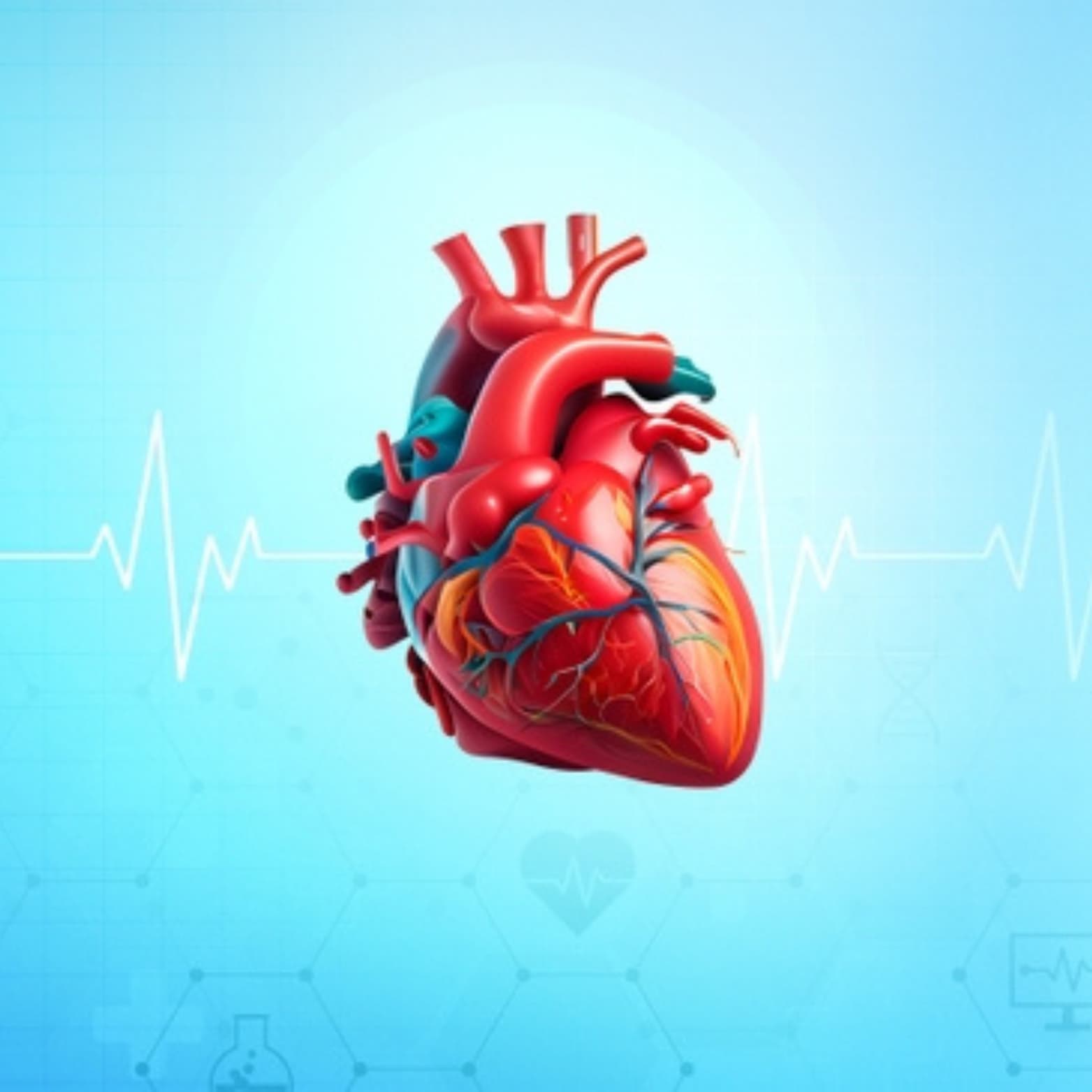
Heart Transplant
What is Heart Transplant?
A heart transplant is a surgical procedure in which a diseased or damaged heart is replaced with a healthy heart from a deceased donor. This procedure is typically reserved for patients with end-stage heart failure or severe coronary artery disease who have not responded to other treatments, such as medication or less invasive procedures. It can significantly improve survival rates and quality of life for patients with advanced heart conditions. Post-transplant care involves lifelong use of immunosuppressive medications to prevent organ rejection and regular monitoring to ensure proper heart function. In some cases, an LVAD (Left Ventricular Assist Device) — a mechanical pump — may be used to support heart function while awaiting a transplant or as a long-term treatment.
Indications
Common conditions that may lead to the need for a heart transplant include:
- Congestive heart failure that has not responded to other treatments
- Severe coronary artery disease
- Cardiomyopathy (disease of the heart muscle)
- Heart valve disease
- Certain congenital heart defects
Who needs a heart transplant?
Heart transplantation is typically considered for patients with end-stage heart disease. Assessment for transplant eligibility involves a thorough evaluation of overall health and ability to withstand surgery:
- End-stage heart failure: Severe heart failure not responding to medications or other interventions.
- Cardiomyopathy: Disease of the heart muscle reducing the heart's ability to pump blood.
- Severe coronary artery disease: Extensive blockage of the arteries supplying the heart.
- Congenital heart defects: Complex structural heart problems present from birth.
Other conditions that may require Heart Transplant include: Heart valve disease unresponsive to repair or replacement, Viral myocarditis causing severe heart damage, Cardiac sarcoidosis, Restrictive cardiomyopathy.
There is a shortage of donor hearts, and not all patients are candidates for transplantation. A multidisciplinary team determines eligibility after comprehensive evaluation.
Who can donate a heart?
Heart transplants typically involve hearts from deceased donors. The donor heart must match the recipient in blood type, body size, and other immunological factors to minimize the risk of rejection.
Eligibility requirements
- Donor must be declared brain-dead with a functioning heart
- Compatible blood type with the recipient
- Compatible body/heart size with the recipient
- No significant history of heart disease in the donor
- No active infections or cancer
- Successful cross-match testing to minimize rejection risk
Evaluation process
The donor heart is evaluated through echocardiography and coronary angiography. The recipient undergoes a comprehensive workup including cardiac imaging, blood tests, and psychological assessment. An independent team verifies all criteria before proceeding.
What are our services?
We are offering the following specialized services to all patients at renowned hospitals in India and Türkiye. Our organization is proudly partnered with multiple accredited hospitals across both countries, known for their strong reputations, state-of-the-art infrastructure, and patient-centric approach.
These hospitals provide a world-class healthcare environment with excellent ambience, comprehensive diagnostic and treatment facilities, and strict infection control protocols. Each center is equipped with advanced medical technology and a highly skilled multidisciplinary team capable of managing even the most complex cases. With a strong track record of successful outcomes, these hospitals ensure quality care at every step of the patient journey — from pre-treatment evaluation and surgery to post-operative care and long-term follow-up.