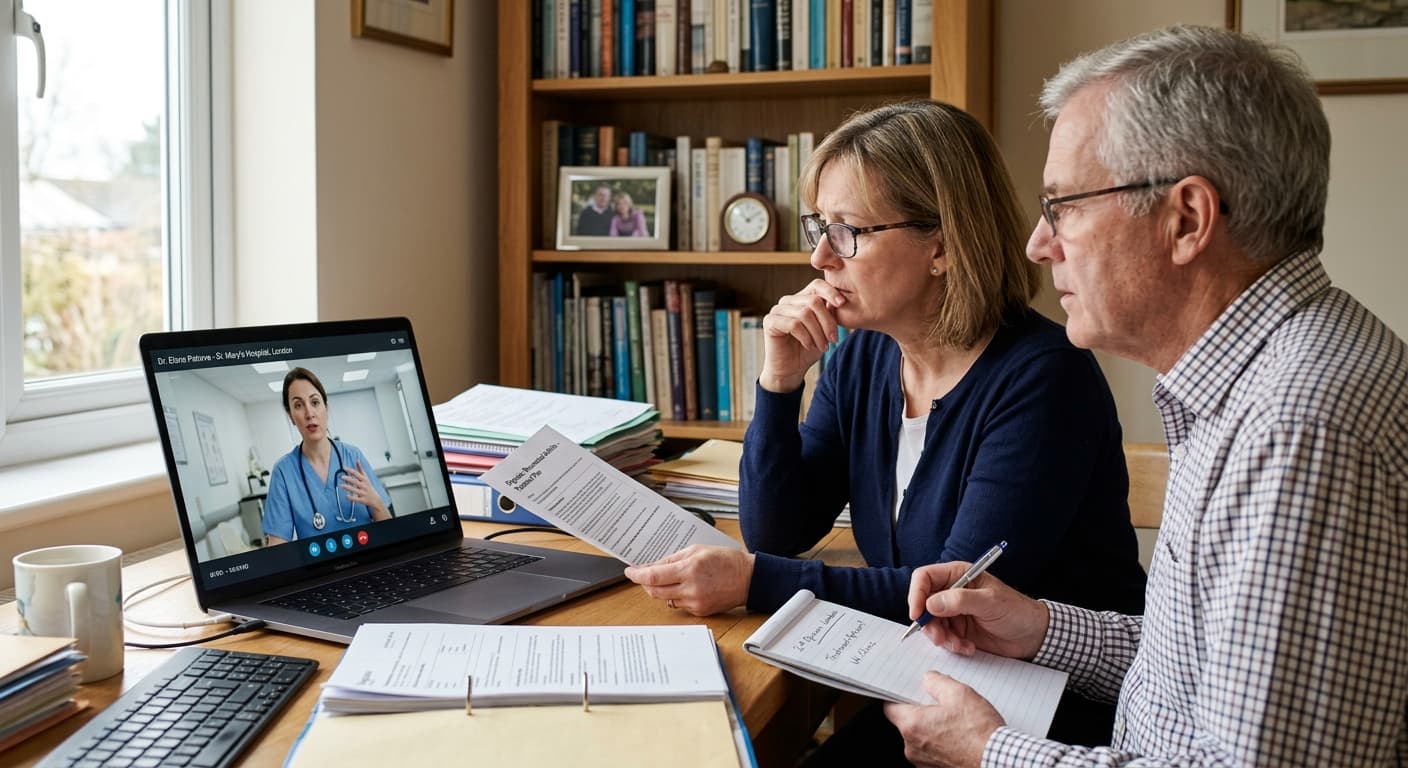
Confused About Medical Treatment? How a Second Medical Opinion from Abroad Can Help
A serious diagnosis rarely comes with a clear roadmap. One doctor recommends surgery, another suggests waiting, and somewhere in between you're left wondering who's actually right situation. This is exactly why getting a second medical opinion from abroad has become such a common step for patients facing complex or high-stakes diagnoses — from cancer to rare conditions to major surgery decisions.
This guide walks through what a second medical opinion from abroad actually involves, when it makes sense, how the process works, and what to watch out for — so you can make a more informed, confident decision about care. Whether you're weighing surgery, chemotherapy, or a rare-disease diagnosis, understanding how a second medical opinion from abroad works can change how you approach next decision.
This article is for general educational purposes only and is not medical advice. Always consult a licensed physician about specific diagnosis and treatment options.
Why Patients Seek a Second Medical Opinion from Abroad
More patients are researching how to get a second medical opinion from abroad every year, and it isn't about distrusting local doctor — it's about gathering enough information to move forward with confidence. Common reasons patients pursue this route include:
A serious or life-changing diagnosis, such as cancer, a rare disease, or a condition requiring major surgery
Conflicting recommendations from different specialists at home
Limited access to sub-specialists for uncommon conditions in their home country
Wanting confirmation before committing to major surgery, chemotherapy, or a long-term treatment plan
Exploring more advanced or newer treatment options available at leading international hospitals
A second medical opinion from abroad doesn't replace treating physician — it adds another expert perspective to the decision-making process, which can be especially valuable when the stakes are high.
How a Remote Second Medical Opinion Actually Works
You no longer need to travel abroad to get a second medical opinion from a top specialist overseas. Many leading hospital systems and dedicated platforms now offer remote review services. The general process looks like this:
Submit medical records — this typically includes diagnostic reports, imaging (MRI, CT scans, biopsy results), lab work, and a summary of current treatment plan.
Get matched with a specialist in the relevant field, based on diagnosis and case complexity.
The specialist reviews case — some services also request additional tests or imaging if the existing records are incomplete.
Receive a written report and/or video consultation, where the specialist explains their assessment, and — depending on the service — answers follow-up questions directly.
Decide next step with original treating doctor, using the second opinion as additional context rather than a replacement for local care.
Turnaround time varies by case complexity, but many established services complete a second medical opinion from abroad within one to two weeks once all required records are received.
What a Second Medical Opinion from Abroad Typically Costs
The cost of a second medical opinion from abroad varies significantly depending on the provider, specialty, and complexity of the case. A few general points worth knowing:
Remote second opinions are usually not covered by standard health insurance, though some employer or international insurance plans do include this benefit — it's worth checking before you pay out of pocket.
Costs generally scale with case complexity — a straightforward review costs less than a case requiring multiple specialists or additional testing.
Some major hospital systems offer this service directly, while others work through intermediary platforms that coordinate the process for you — pricing structures differ between the two.
Always ask for a clear, itemized cost breakdown before you submit any documents or make a payment.
How to Choose a Legitimate Second Medical Opinion Service
Because "medical tourism" and services offering a second medical opinion from abroad span a wide quality range, it's worth vetting any provider carefully before sending sensitive medical records. Look for:
Verified affiliation with an accredited hospital or medical institution, not just a generic-looking website
Named, licensed specialists — you should be able to confirm the reviewing doctor's credentials and specialty
Transparent pricing with no vague or shifting fees once you've already committed
Clear data privacy practices for handling your medical records, given how sensitive this information is
Realistic promises — be cautious of any service guaranteeing a specific outcome, treatment, or "cure," since no legitimate specialist can promise results before reviewing case
Questions to Ask Before You Commit
Before choosing a provider for second medical opinion from abroad, it helps to ask:
Who exactly will be reviewing my case, and what is their specific area of expertise?
Will I receive a written report, a live consultation, or both?
How will my medical records be transmitted and stored securely?
What happens if the reviewing specialist needs additional tests or records?
Is there an option to ask follow-up questions after receiving the opinion?
Using Second Medical Opinion from Abroad Effectively
Once you receive second medical opinion from abroad, the most useful next step is to bring it back to local treating physician rather than acting on it in isolation. A good second opinion should help you and doctor have a more informed conversation — comparing recommendations, understanding where they align or differ, and deciding on a path forward together. If the two opinions conflict significantly, that's often a sign it's worth a third perspective or a more detailed discussion with specialist about the reasoning behind each recommendation.
Final Thoughts on Getting a Second Medical Opinion from Abroad
Facing a serious diagnosis is stressful enough without feeling uncertain about treatment plan. A second medical opinion from abroad can offer valuable clarity — whether that means confirming current path, uncovering treatment options you hadn't considered, or simply giving you peace of mind before a major decision. The key is choosing a credible, transparent provider and using that second opinion as a tool to work with the doctor, not as a replacement for the ongoing care and relationship you already have with them.